Download Our Document

3.9KB

Contact with us for any solution

Call Anytime

042 3772 0814-16

Nickel Plating Processes

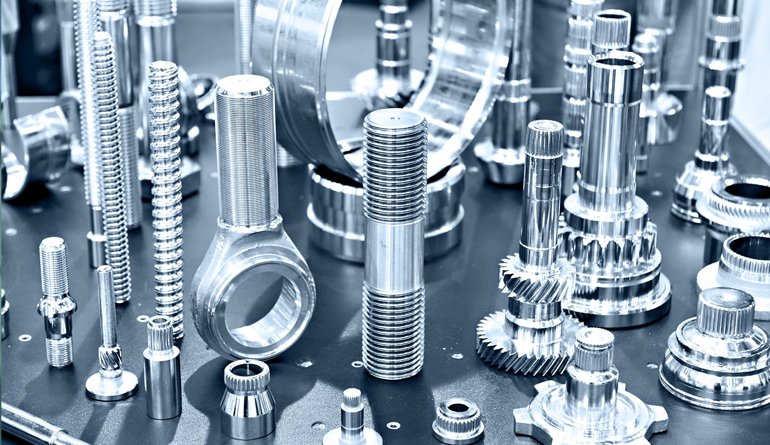
At Master Electroplating Company (EPCO), our Nickel Plating Processes are formulated to deliver industry-leading performance across both decorative and heavy-duty functional applications. Utilizing advanced chemical compositions—including standard Watts baths, sulfamate formulations, and specialized bright or semi-bright variants—our nickel processes provide a robust barrier against corrosion, wear, and mechanical degradation. Whether used as a standalone protective layer or as a flawless foundational undercoat beneath chromium or gold, EPCO’s ISO 9001:2000 certified nickel chemistries ensure uniform thickness, high ductility, and brilliant aesthetic appeal.

Forms an impenetrable, passive barrier that shields base metals from oxidation, rust, and harsh environmental elements
Hardens component surfaces to withstand mechanical friction, extending the operational lifecycle of moving parts

Industries We Serve

Trusted Across Global Sectors
Automotive Manufacturing
Sanitary Fittings
Construction and Machine Manufacturing
Electronics and Electrical Appliances
Jewelry, Watchmaking, and Luxury Consumer

Which industries rely most heavily on EPCO’s nickel plating processes

Our nickel systems are widely implemented across the automotive industry, sanitary fittings and hardware production, electronics manufacturing, consumer goods, and heavy machine manufacturing.

Can nickel plating protect components from rust and wear

Yes. Nickel provides a dual advantage: it acts as a chemical barrier preventing corrosive elements from reaching the base metal, and it increases surface hardness to protect parts against friction, wear, and mechanical degradation

Why is nickel plating commonly used as an undercoat

Nickel forms a strong metallurgical bond with underlying base metals (like steel, copper, or brass) and provides an exceptionally receptive surface for outer layers like chrome or gold. This multi-layer stack significantly boosts overall corrosion resistance, prevents peeling, and locks in long-term aesthetic brilliance

What is the difference between bright nickel and semi-bright nickel plating

Bright nickel uses specialized organic additives to create a highly reflective, mirror-like finish, making it ideal for decorative components like automotive trim and plumbing fixtures. Semi-bright nickel is sulfur-free, softer, and more ductile, typically utilized as an essential corrosion-resistant underlayer in multi-layer plating systems where high luster is secondary to toughness and stress-relief